Source ras tilapia farming oxygenator for Ponds Tanks and Nurseries
Compare 30 ras tilapia farming oxygenator units with electric power sources and friction type working methods. Buyers can review specifications for vertical SMC water tanks and mechanical filtration systems suitable for fish farming applications.
Key considerations
Products List






Comprehensive Sourcing Guide
Strategic Sourcing Guide for RAS Tilapia Farming Oxygenators
Understanding Core Technical Specifications for RAS Systems
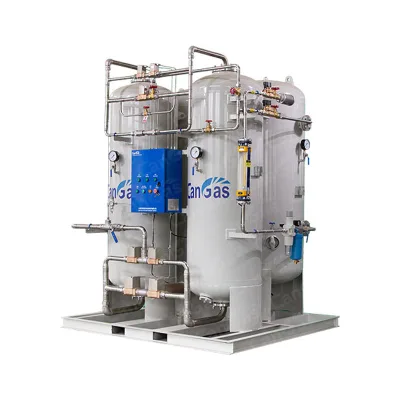
When sourcing equipment for Recirculating Aquaculture Systems (RAS) specifically tailored for tilapia farming, buyers must first distinguish between the oxygenation component and the broader system architecture. The supplied product data indicates that the core functionality often integrates mechanical and biological filtration alongside ozone or UV treatment, rather than isolating a single oxygenator unit. This suggests that the "oxygenator" is frequently a subsystem within a larger RAS unit, such as the ZK-RAS model or general fish farming equipment. The working method for these systems is explicitly noted as friction type, which implies a mechanical approach to water aeration and oxygen transfer, likely involving rotating discs or similar mechanisms that increase surface area for gas exchange.
The physical dimensions of these systems vary significantly to accommodate different farm scales. Observed data points to a maximum height of 1.45 meters for certain vertical configurations, while the standard specifications allow for a maximum diameter of 20 meters. This wide range supports the observation that capacity is optional, with specific models cited for volumes ranging from 10 to 2000 cubic meters. For a tilapia operation, the choice between a compact vertical unit and a large-diameter tank depends heavily on the intended production rate. The data notes a production rate of 96% and a purity of 93%±3%, which are critical metrics for evaluating the efficiency of the biological and oxygenation processes within the tank.
Material selection is another paramount technical consideration. The piping and fittings associated with these systems are described as UPVC, a material chosen for its durability and resistance to corrosion in aquatic environments. However, for components in direct contact with the fish or water that requires food-grade safety, FDA-compliant materials are also listed. The main equipment description highlights the necessity of combined treatment methods, blending mechanical filtration to remove solids with biological filtration to manage ammonia and nitrite levels. The oxygenation aspect is supported by the motive force being pressure-driven, ensuring consistent water flow rates which are listed as optional to match specific farm requirements. Voltage requirements are broad, spanning from 110V to 480V, necessitating careful verification of local electrical infrastructure compatibility before procurement.
Compliance, Certification, and Regulatory Standards
Navigating the regulatory landscape is essential for international procurement of aquaculture equipment. The supplied facts confirm that products in this category frequently carry ISO9001 certification, indicating adherence to quality management standards. Additionally, CE certification is present in the data, which is a mandatory requirement for selling products within the European Economic Area. Buyers must verify that the specific unit they intend to purchase holds valid, current certificates for both ISO9001 and CE, as these are not universal guarantees for every listing but are observed attributes of compliant suppliers.
Beyond general manufacturing certifications, the application field is strictly defined as fish farming, fish ponds, and aquaculture, with some listings also noting usage in environmental protection and agriculture. This specialization ensures that the equipment is designed to meet the specific biological needs of tilapia, which have distinct oxygenation requirements compared to other species. The origin of these products is consistently listed as China, with specific mentions of Beijing as a place of origin for certain models. While this provides a geographical baseline, buyers should not assume that all products from this region meet the same standards without independent verification.
The standard for these systems is often tied to water volume, with specific references to 100 cubic meters as a standard benchmark for certain configurations. However, the standard is also listed as "Optional," implying that custom specifications are available. This flexibility is crucial for buyers with non-standard facility layouts. It is vital to confirm that the "standard" referenced in the product listing aligns with local regulatory requirements for water discharge and fish welfare. The presence of "Installation: Wall-Mounted" as a specification suggests that some units may require structural integration, which must be verified against the buyer's facility plans to ensure compliance with safety and space regulations.
Cost Drivers and Pricing Structure Analysis
The pricing for RAS tilapia farming oxygenators and associated systems exhibits a massive variance, with observed listed prices ranging from 7 USD to 64,200 USD. This extreme range reflects the diversity of the market, encompassing small-scale components, modular units, and complete large-scale system installations. The lower end of the spectrum likely represents individual components, such as specific oxygenation modules or smaller filtration units, while the higher end corresponds to full-scale RAS setups with integrated biological filtration, UV sterilization, and advanced control systems.
Several factors drive these costs. The primary driver is the capacity and scale of the system. Units with a capacity of 10 to 2000 cubic meters will naturally command higher prices due to the volume of materials, such as SMC (Sheet Molding Compound) for the water tank and the extensive piping network. The complexity of the filtration system is another significant cost factor; systems incorporating both mechanical and biological filtration, along with ozone or UV treatment, require more sophisticated engineering and higher-quality components than basic aeration units.
The customization level also impacts the final price. The data confirms that customization is available, allowing buyers to tailor the system to specific fish densities and water quality parameters. Custom orders typically incur higher costs due to the engineering time and specialized manufacturing processes involved. Additionally, the packaging method influences logistics costs. While some units are packed on pallets, larger systems often require standard export packing with wooden cases to ensure safe transport. The inclusion of video outgoing-inspection services may also add a premium to the cost, providing buyers with an additional layer of assurance before shipment.
Typical Applications and Operational Use Cases
The primary application for these systems is fish farming and aquaculture, specifically designed for the nursery stage and general tilapia production. The functional description highlights the system's role in providing a controlled environment where water quality can be meticulously managed. This is critical for tilapia, which are sensitive to fluctuations in dissolved oxygen and ammonia levels. The "Friction Type" working method suggests that these systems are particularly effective in maintaining high oxygen saturation levels through continuous mechanical agitation, which is ideal for high-density farming environments.
The versatility of these units allows them to be deployed in various settings, from small-scale commercial farms to large industrial operations. The optional capacity range of 10 to 2000 cubic meters supports this scalability. For a nursery stage, smaller units with precise control over water flow and temperature are preferred to ensure high survival rates for juvenile fish. In contrast, grow-out operations require larger systems with robust filtration capabilities to handle higher biomass and waste loads. The "Combined Treatment" method ensures that the water is not only oxygenated but also purified, making it suitable for recirculation and minimizing water usage, a key requirement for sustainable aquaculture.
Furthermore, the application extends to environmental protection, suggesting that these systems can be used in contexts where water conservation and pollution control are priorities. The ability to operate with different voltage inputs (110V-480V) makes these systems adaptable to various global electrical grids, facilitating their use in diverse geographic locations. The "Vertical" style of the tanks also offers space-saving advantages, making them suitable for facilities with limited floor space, such as urban aquaculture projects or indoor farming operations.
Supplier Evaluation and Verification Protocols
Evaluating suppliers for RAS equipment requires a rigorous approach to verify the authenticity of the claims made in product listings. Buyers should prioritize suppliers who provide video outgoing-inspection services, as this allows for a real-time verification of the manufacturing process and the final product condition. The data indicates that this service is "Provided," making it a valuable tool for due diligence. When assessing a supplier, buyers must confirm that the "New" condition of the product is guaranteed and that the "Installation Guidance" is comprehensive and available in the buyer's language.
The origin of the product is a critical factor in supplier evaluation. With the majority of products originating from China, specifically Beijing, buyers should be aware of the logistical implications, including lead times and shipping costs. However, the presence of ISO9001 and CE certifications provides a baseline for quality assurance. Buyers should request copies of these certificates and verify their validity with the issuing bodies. It is also essential to confirm the warranty terms, as the data specifies a 1-year warranty. This warranty should cover both parts and labor, and buyers must understand the process for claiming warranty support, especially for international shipments.
The "Customization" availability is another key indicator of a capable supplier. A supplier that offers customization is likely to have the engineering expertise to adapt the system to specific farm requirements. Buyers should inquire about the lead time for customized orders and the flexibility of the design process. The "MOQ" (Minimum Order Quantity) is consistently listed as 1 set or 1 unit, which is favorable for buyers testing the market or starting small. However, buyers should be cautious of suppliers who claim low MOQs but have hidden costs or long lead times for custom orders.
Quality Control and Long-Term Procurement Considerations
Quality control in the procurement of RAS equipment extends beyond the initial purchase and installation. The "Standard Export Packing with Wooden Case" is a critical component of quality assurance, ensuring that the equipment arrives at the destination without damage. Buyers should verify that the packing materials are robust enough to withstand long-distance shipping and that the internal insulation is adequate to protect sensitive components. The "Pallet" packing option for smaller units also requires verification to ensure stability during transport.
Long-term procurement considerations include the availability of spare parts and the reliability of the filtration media. The "Pipe & Fittings" are specified as UPVC or FDA-compliant, but buyers should ensure that replacement parts are readily available and compatible with the original system. The "Main Equipment" includes mechanical and biological filtration, which will require regular maintenance and replacement of media. A supplier that offers ongoing technical support and training is essential for the long-term success of the operation.
The "Production Rate" of 96% and "Purity" of 93%±3% are key performance indicators that should be monitored over time. Buyers should establish a baseline for these metrics upon installation and track them regularly to ensure the system continues to perform as expected. Any deviation from these standards may indicate a need for maintenance or adjustment. The "Low power consumption" feature is a significant long-term cost saver, but buyers should verify the actual energy usage under different load conditions to ensure that the claimed efficiency is realized in practice.
Finally, the "Warranty" of 1 year is a standard term, but buyers should consider the long-term implications of equipment failure. A robust after-sales support network is crucial for minimizing downtime. Buyers should also consider the "Installation Guidance" provided, ensuring that it is detailed enough to facilitate a smooth setup process. By focusing on these quality control and long-term considerations, buyers can ensure that their investment in RAS tilapia farming oxygenators yields sustainable and profitable results.
Comparative Analysis of System Configurations
To assist buyers in making informed decisions, the following table compares key attributes of the observed RAS system configurations based on the supplied data. This comparison highlights the differences in capacity, standard, and specific features that may influence the procurement decision.
| Attribute | Configuration A (Compact/Standard) | Configuration B (Large Scale/Custom) | Configuration C (Specialized) |
|---|---|---|---|
| Max Height | 1.45m | Variable (Vertical Style) | Variable |
| Max Diameter | 3m (Min) | 20m (Max) | Optional |
| Capacity | 10 to 2000m³ | Optional | 100cbm (Specific) |
| Filtration | Mechanical & Biological | Mechanical & Biological | Combined Treatment |
| Purity | 93%±3% | 93%±3% | 96% Production Rate |
| Packing | Pallet | Wooden Case | Standard Export Packing |
| Certification | ISO9001, CE | ISO9001, CE | ISO9001, CE |
| MOQ | 1 Set | 1 Unit | 1 Set |
| Origin | China (Beijing) | China | China |
This table illustrates that while the core technology remains consistent across configurations, the scale and specific features vary. Buyers should align their selection with their specific farm size and operational goals. The "Optional" nature of many specifications underscores the importance of clear communication with the supplier to ensure the final product meets all requirements. By carefully analyzing these attributes, buyers can select the most appropriate system for their tilapia farming operation.
FAQs
What is the working method for these RAS systems?
The working method is friction type, which mechanically agitates water to enhance oxygen transfer. This approach is standard for the observed fish farming equipment models and ensures efficient gas exchange within the tank.
Can the system capacity be customized for my farm?
Yes, customization is available for capacity, which ranges from 10 to 2000 cubic meters. Buyers can select optional sizes to match specific production needs rather than being limited to fixed standard volumes.
Which certifications do the manufacturers typically hold?
Manufacturers typically hold ISO9001 and CE certifications for quality and safety compliance. These standards are observed attributes of the listed products originating from China, ensuring adherence to international manufacturing requirements.
How is the equipment packaged for international shipping?
The equipment is packed in standard export packaging with wooden cases or on pallets. This method protects the SMC water tanks and internal filtration components during long-distance transport from the place of origin.
What is the minimum order quantity for these units?
The minimum order quantity is 1 set or 1 unit, allowing for small-scale procurement. This low threshold enables buyers to test the system or start operations without committing to large initial inventory volumes.
What materials are used for the piping and fittings?
Piping and fittings are made from UPVC, with some components meeting FDA standards for food safety. These materials ensure durability and resistance to corrosion within the aquatic environment of the RAS system.
Does the supplier provide installation guidance for the units?
Yes, installation guidance is provided to assist with setting up the equipment. This support covers wall-mounted configurations and ensures proper integration of the mechanical and biological filtration systems.